




Zoia Kostina
Stunning, almost overwhelming beauty — the boundless ocean, colossal glaciers, the raw power of nature — and a human presence, fragile yet persistent: scientists who come to this frozen continent to live and work for almost a year. These are images that stay with you long after the final frames of Antarctica.
RRS James Clark Ross
The film, with English subtitles, was recently released by Anton Ptushkin, the renowned Ukrainian travel journalist and blogger whose work continues to surprise with its distinctive narrative voice and sensitivity to culture. We watched it together with our children.
In the film, Anton travels with Ukrainian polar researchers to the Akademik Vernadsky Research Station aboard the icebreaker Noosphere.
A significant part of the film is devoted to the ship itself — a real research icebreaker. Anton explores its history, unique design, and the everyday life of its crew. One detail feels especially poignant today: as part of Ukraine’s scientific fleet, the vessel departed from its home port of Odesa less than a month before Russia’s full-scale invasion began.

Noosphere navigating Antarctic
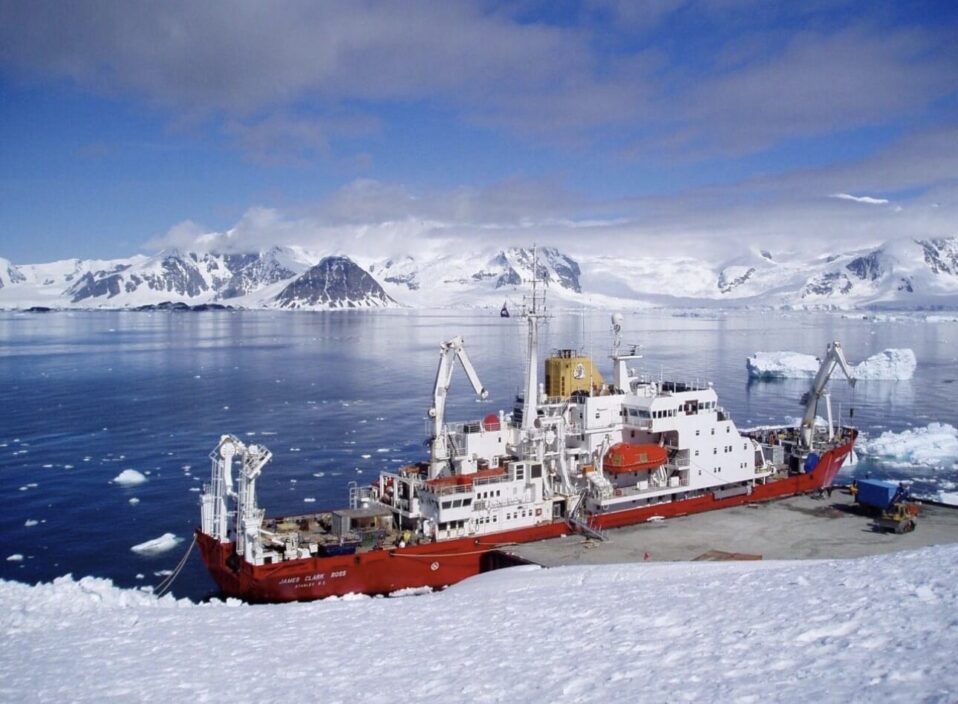
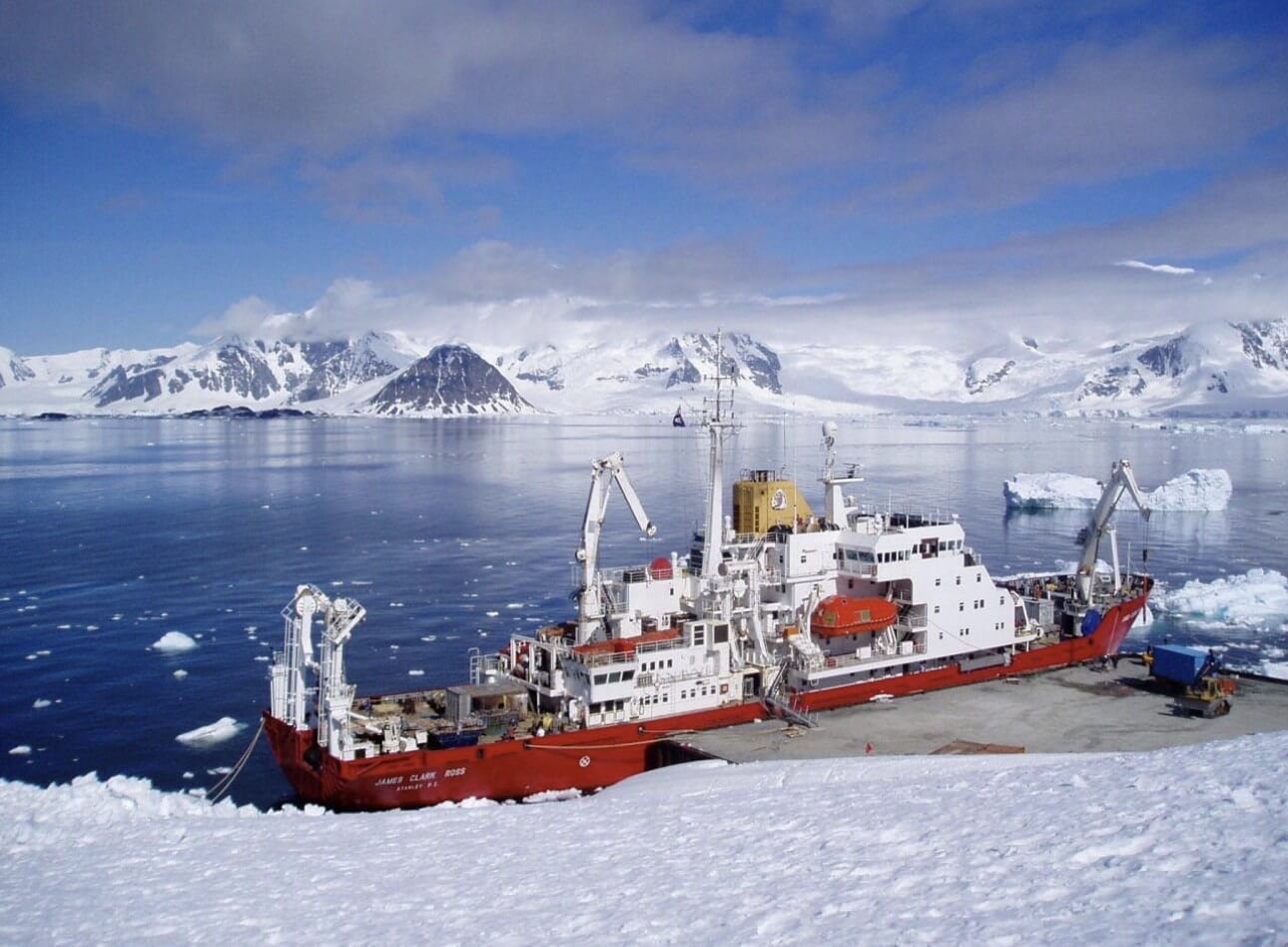
The film also recalls the ship’s earlier life. For nearly thirty years, it sailed under the British flag for the British Antarctic Survey as the research icebreaker RRS James Clark Ross, named after the legendary British polar explorer Sir James Clark Ross. A vessel of formidable strength and precision, it carried advanced equipment for oceanographic and geophysical research, braving the harshest polar seas and standing as a testament to human curiosity and resilience.
Yet one small, important detail remains unspoken in the film.
About sixteen years ago, when the ship still sailed under the British flag, Nerys Lewis served on board as the ship’s doctor on a one-year contract. During that time, she not only set foot on Antarctica’s icy expanses but also met Ben Tullis, who was serving on the vessel alongside her.

Nerys Lewis in Antarctica
It was on this very ship — the same one now known as Noosphere, flying the Ukrainian flag — that their paths crossed, beginning a story that continues to this day.
From the frozen seas of Antarctica to the warmth of home in Wales, they now travel through life as a family of four. They have a son and a daughter, the latter bearing the beautiful Welsh name Eirwen, meaning “white snow” — a quiet echo of the land where their love first took shape.
Years later, this British family became a lifeline for a Ukrainian family with twin five-year-old boys when Russia’s full-scale invasion began. Together with their parents, they offered shelter, safety, and steadfast support — a gesture that needed no explanation.
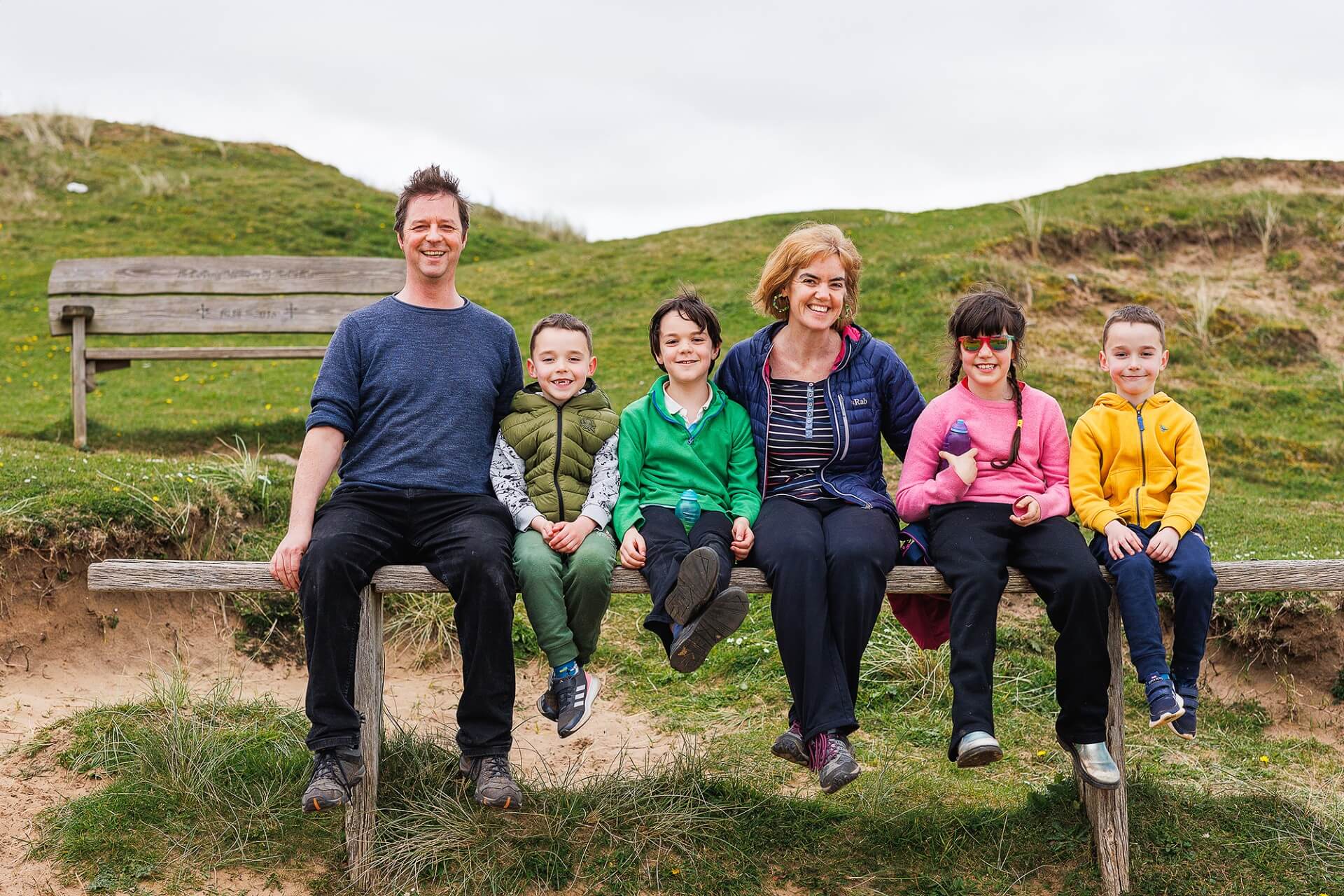
The Tullis family and the Ukrainian twins
In this way, one ship connected British and Ukrainian lives, Antarctica and Wales, past and present. Amid oceans and ice, human warmth becomes especially tangible — a quiet, timely kindness that can change everything.
Comment(1)-

Michael Allen says
January 22, 2026 at 1:35 pmFabulous to hear about this. Well done everyone